
Smocking Embroidery: Volume and Texture in Industrial Design
- Posted by Flavio Marini
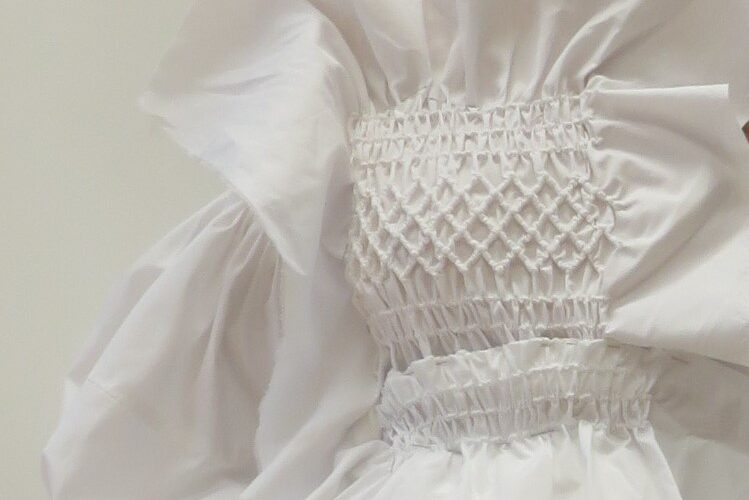
Smocking brings together embroidery and controlled gathers to give fabric an elegant three-dimensional surface. Once used in traditional garments, it now offers possibilities for luxury fashion, leather goods and interior design.
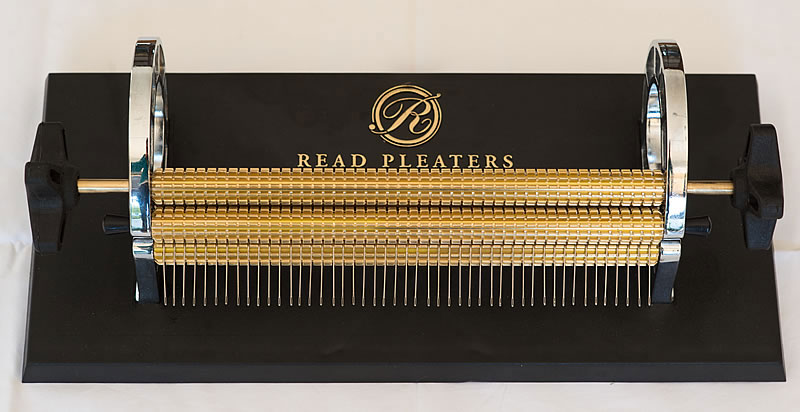
Manual pleating equipment used for smocking
What is smocking?
Smocking is associated with gathered garments whose regular folds are held and decorated with stitches. Simple arrangements may use cable or wave stitches; more elaborate patterns include diamond and Van Dyke stitches. The finished fabric alternates smooth areas with raised sections, creating volume and structure.
Smocked details have appeared in garments for centuries. Today, designers can bring their distinctive texture to tailored clothing, leather accessories and decorative interior panels.
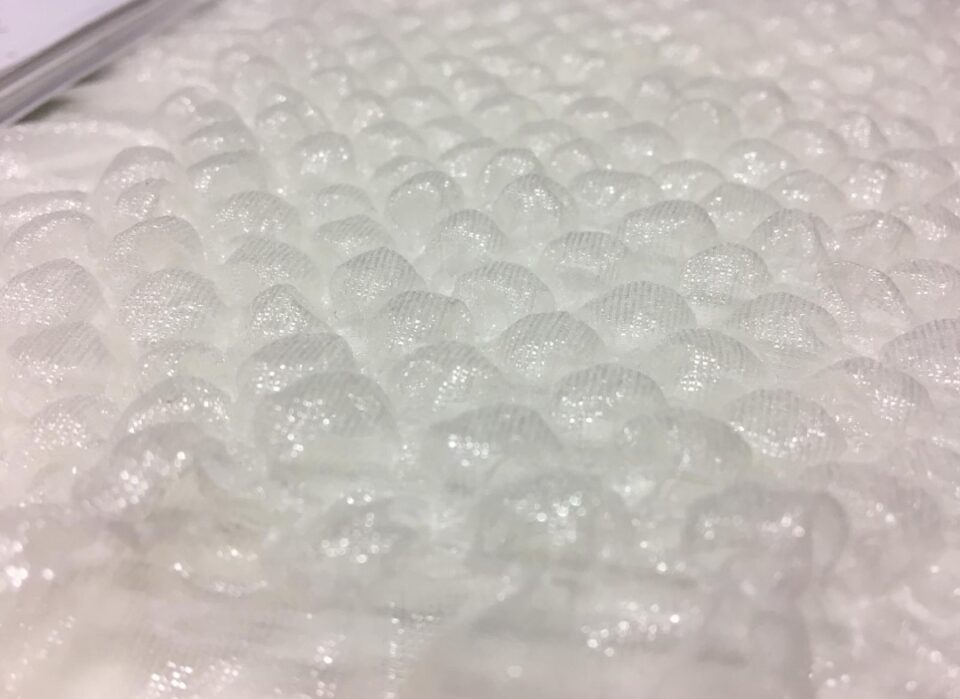
Smocking with a rounded bubble effect
Smocking in industrial embroidery
With modern embroidery machines, Marini Ricami can interpret smocking effects for repeatable production while retaining attention to texture and detail. Potential applications include:
- Fashion and leather goods: raised details for couture garments, bags and accessories;
- Footwear: textured inserts for trainers and sandals;
- Interiors and automotive: upholstered surfaces, headboards and decorative acoustic panels.
-
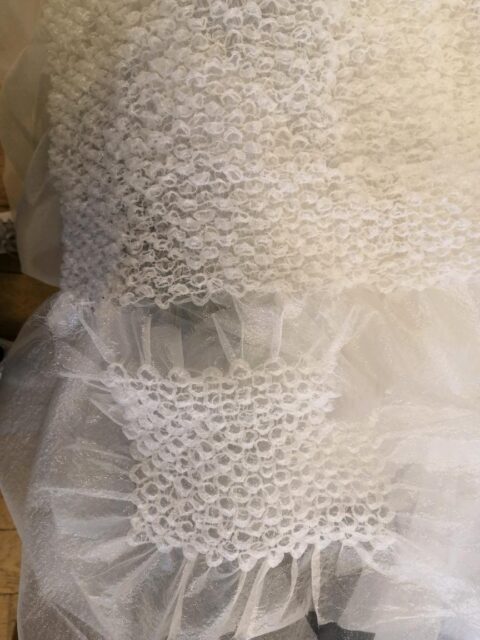
- Elastic smocking embroidery with a bubble effect
-
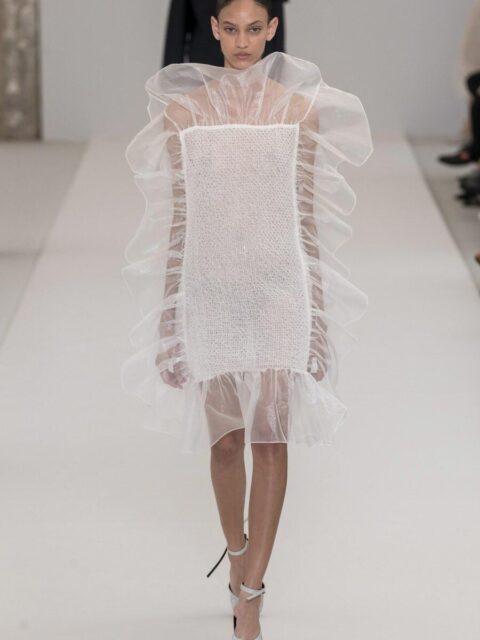
- Dress with circular smocking embroidery
A design option for luxury brands
Smocking can become a recognisable design detail rather than a purely decorative stitch. Industrial production makes it possible to explore the technique across a collection while paying close attention to the form of each fold.
If you are a designer or brand interested in industrial smocking, contact us to develop a new idea or collection together.
Marini Ricami 1986 — where tradition meets innovation.
0 comments on Smocking Embroidery: Volume and Texture in Industrial Design