

Organic and Recycled Embroidery Yarns: What the Labels Mean
- Posted by Flavio Marini
Organic, recycled and vegan describe different things
Terms such as organic, recycled, ethical, vegan and cruelty-free are often grouped together in fashion discussions, but they describe different attributes. Organic concerns how a natural fibre is grown and processed under a defined standard. Recycled refers to material recovered and processed for another use. Vegan concerns animal-derived inputs. An ethical or environmental claim needs its own scope and evidence; none of these words automatically proves the others.
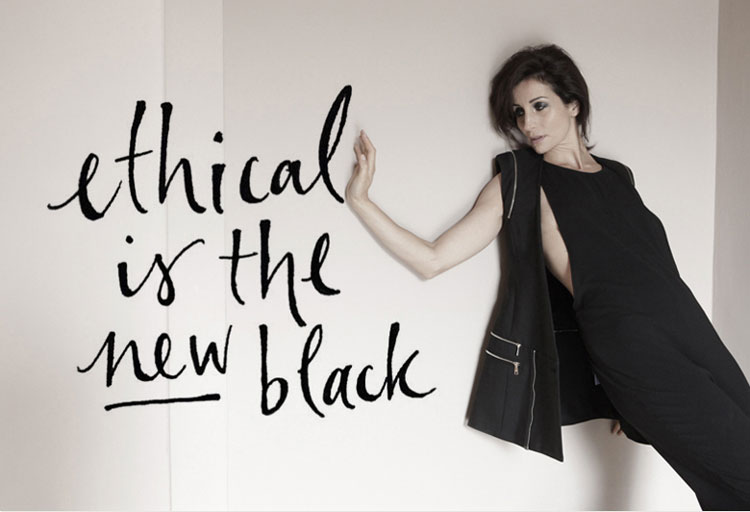
Editorial image about ethical and vegan fashion. For broader context, see Farm Sanctuary’s vegan-fashion guide; the image does not verify any Marini product claim.
Organic cotton for embroidery
Cotton yarn can be selected for its matt appearance, softness and stitch texture. Cotton described as organic should come from a documented supply chain that meets the applicable organic requirements. GOTS is one standard for organic textiles, with rules beyond the farm stage. Other labels mentioned in the Italian article, including OEKO-TEX STANDARD 100 and Fairtrade, have different scopes and must not be treated as interchangeable. The exact fibre content and certification of a finished embroidery are assessed for the specified material and production chain.
-

- Cotton fibres shown as a raw-material example
-

- Leaf-shaped embroidery made with cotton yarn
-

- Cotton crop shown as a material-source example
Organic cultivation does not mean that no substances were used at any stage, or by itself prove lower water consumption, better labour conditions or the absence of all processing chemicals. Those questions require their own records and comparisons. For background on textile production, the Italian original links to a Greenpeace Italy report. The video below is retained as general historical context, not as a certificate for a yarn.
What an organic-cotton sample can show
A sample can show colour, coverage, softness and how a cotton yarn behaves on the chosen base fabric. It cannot show organic origin from appearance alone. The original article includes the following embroidery examples, whose material claims would need to be checked against the supplier records for the relevant order.
-

- First embroidery sample made with cotton thread
-

- Second embroidery sample made with cotton thread
-

- Third embroidery sample made with cotton thread
From PET bottles to polyester yarn
PET is a polyester used in packaging and textile applications. Collected PET can be sorted and reprocessed into feedstock for polyester yarn. The recovered content, process and final yarn properties depend on the producer. The original article quotes 3 kg of CO₂ saved per kilogram of PET and around 50% less production energy, as well as a yield of about 1,000 metres of yarn from one bottle. Those figures lack a defined product and assessment method here, so they are not presented as verified results.

Illustration of a route from PET packaging to polyester yarn; actual yield varies with the process.
Recycling is useful where the material can be recovered and processed, but PET cannot be assumed to retain identical properties or be recycled indefinitely without losses. A current recycled-content claim needs documentation for the exact yarn and supply chain.
-

- PET bottle as an example of potential recycling feedstock.

-

- PET granules in a material-processing sequence.

-

- Production-stage image for recycled-polyester yarn.

-

- Detail of a polyester yarn sample.

Using recycled yarns and sequins
Polyester yarn from recycled PET can be evaluated for garments, footwear, leather goods and accessories. Loose sequins and sequin colour charts are shown alongside yarn samples in the original article. Recycled content, colour fastness, strength and suitability for the selected embroidery process need to be checked for each material. The word cruelty-free is a separate claim and cannot be inferred simply from the PET polymer.
-

- Mixed loose sequins shown as material samples
-

- Polyester yarn sample; recycled and vegan claims require verification
-

- Colour chart for sequin samples
For a closer comparison of labels and material choices, see our guide to materials for fashion embroidery. To discuss a yarn, sample or required certification for a current project, contact Marini Ricami 1986.
0 comments on Organic and Recycled Embroidery Yarns: What the Labels Mean